
Common problems in pregnancy
An educational
initiative
supported by

Written by experienced doctors, midwives and other medical professionals – and approved by a specialist Editorial Board
Select Avatar



Select Language
We plan to provide other language versions as soon as funding is available
Enhancing the Welfare of Women
Expert Health Information for Women











The authors of this COMMON PROBLEMS IN PREGNANCY program are:
- Dr Eiri Turner
Liverpool Women's Hospital, Liverpool, UK - Dr Molly Carroll
Arrowe Park Hospital, Liverpool, UK
The Welfare of Women program has been created under the General Editorship of Dr Kate Lightly, University of Liverpool, UK and is overseen by an expert International Editorial Board
The cost of producing this resource has been partly funded by an educational grant from GSK
Thank you for watching this Welfare of Women video. We would welcome your views and feedback. Please complete this short questionnaire.
Introduction
There are common problems that many women have during pregnancy. The following information should help you learn what to look out for, how to take care of yourself and when to see a healthcare worker.
Common problems in pregnancy
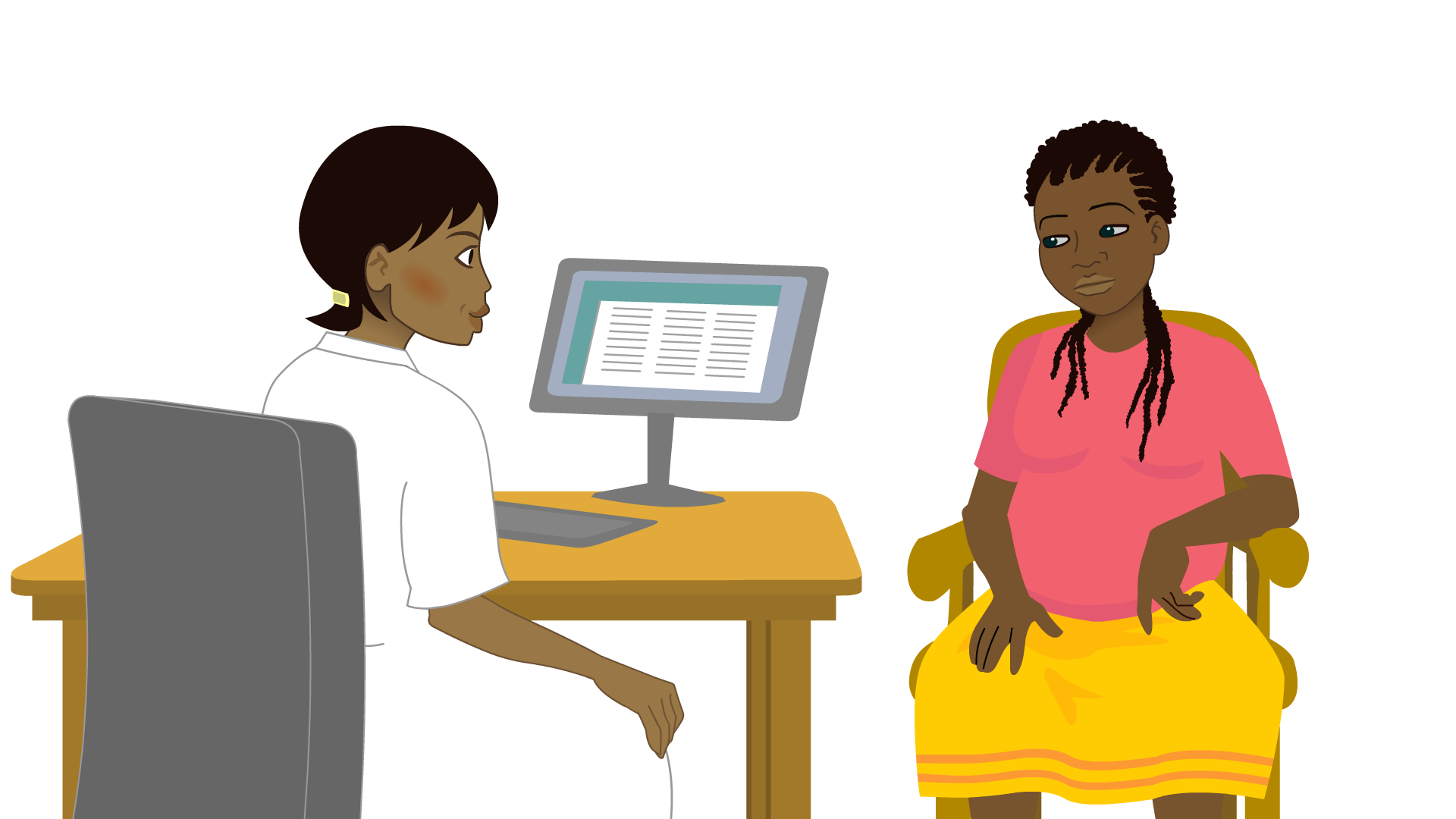
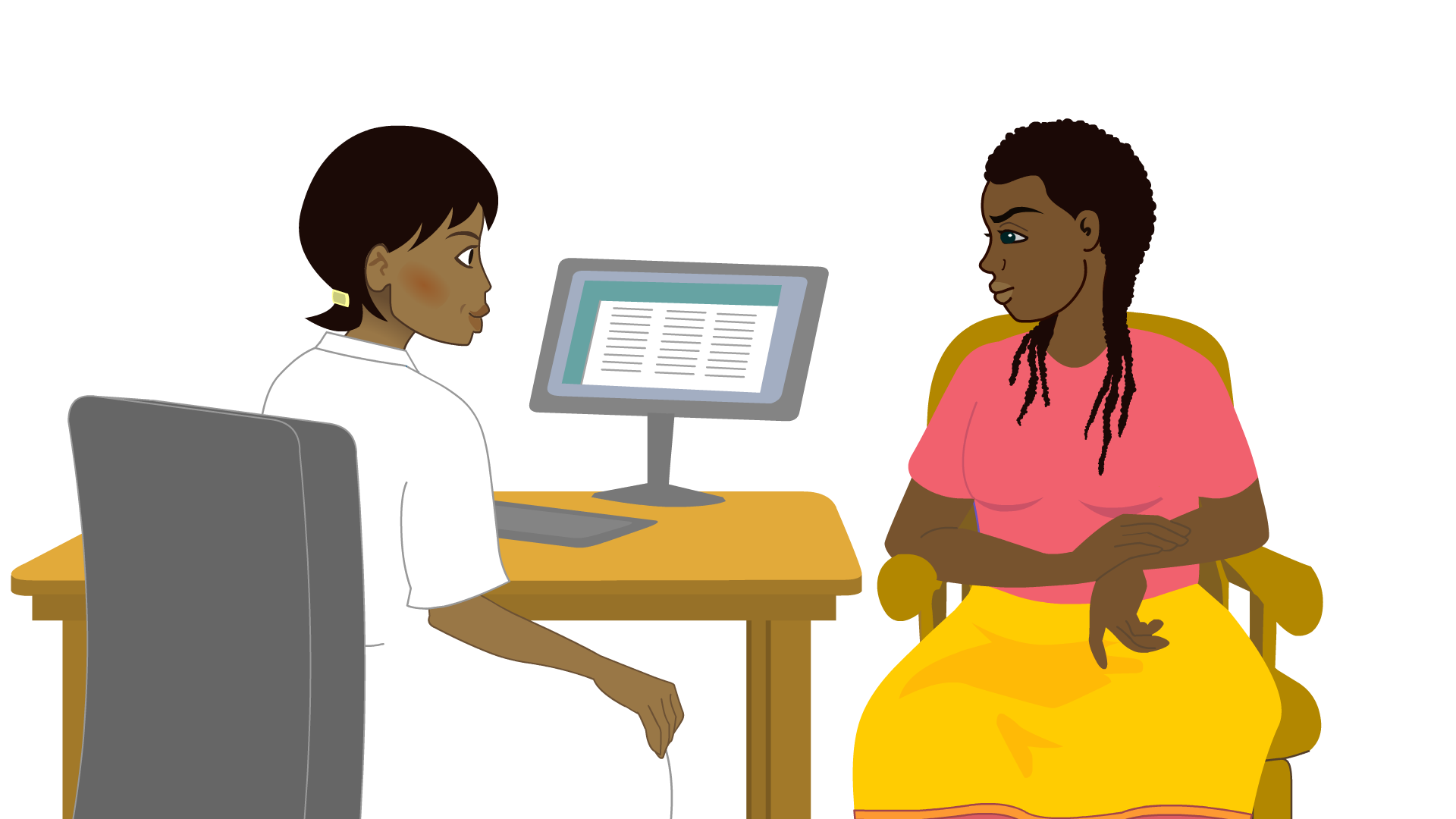
These problems are common, but sometimes they can become serious. If they get worse or stop you from eating, sleeping or working, see a healthcare worker as soon as possible. They can give you medicine, advice or other care to keep you and your baby healthy.
Nausea and vomiting
Many women feel sick or vomit in the first few months of pregnancy. This is normal but it can make eating and drinking hard. To help with this, you can try eating small meals more often, instead of big ones. Try plain food, like rice or dry bread. Some women feel better when they eat a little ginger.
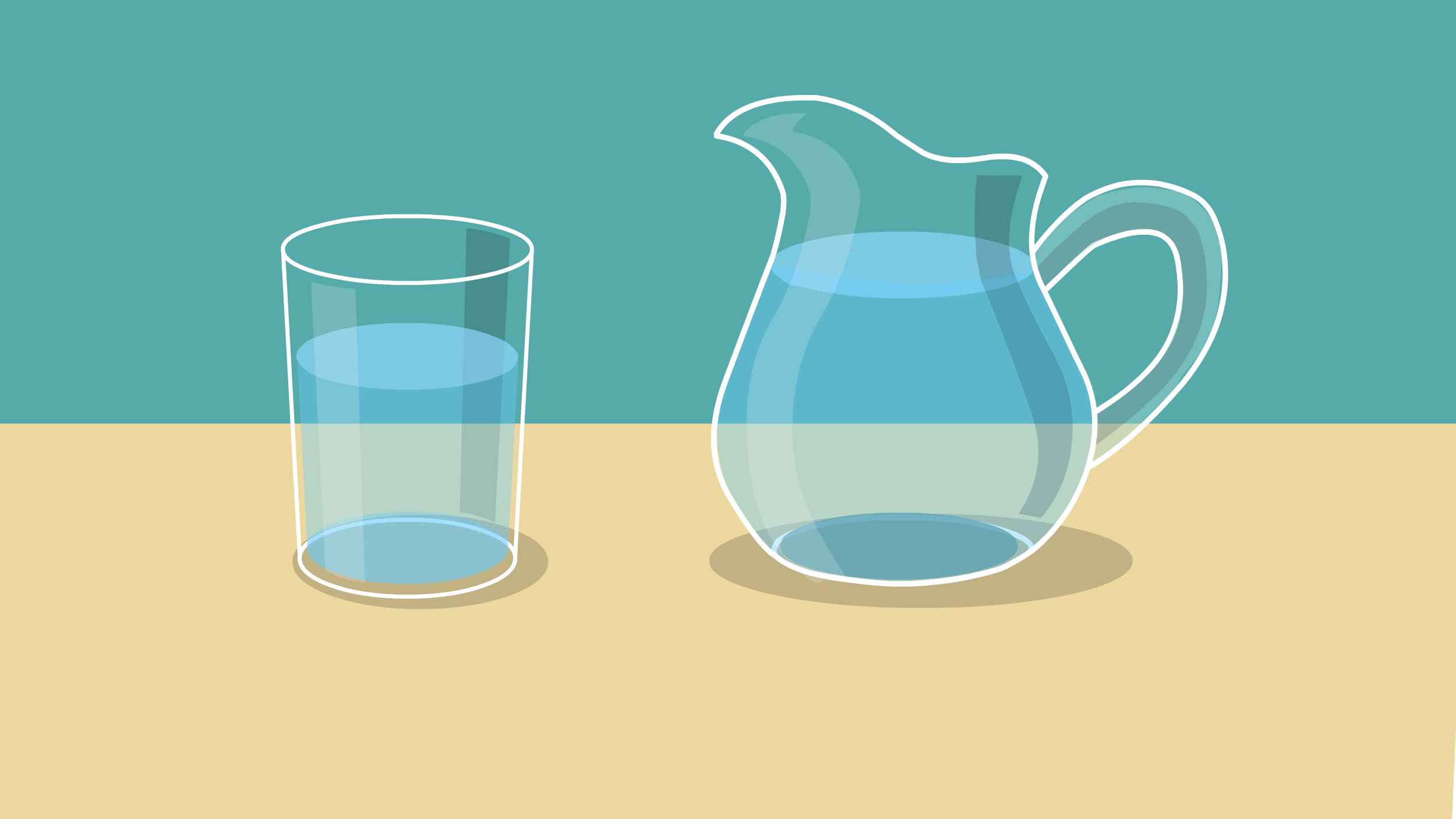
Drink water
It is also very important to drink clean water. Take small sips if you feel sick. If you cannot keep any water down all day, or if you feel very weak and cannot stand, you should see a healthcare worker. They can give you medicine or other help to make you feel better.
Help for pain
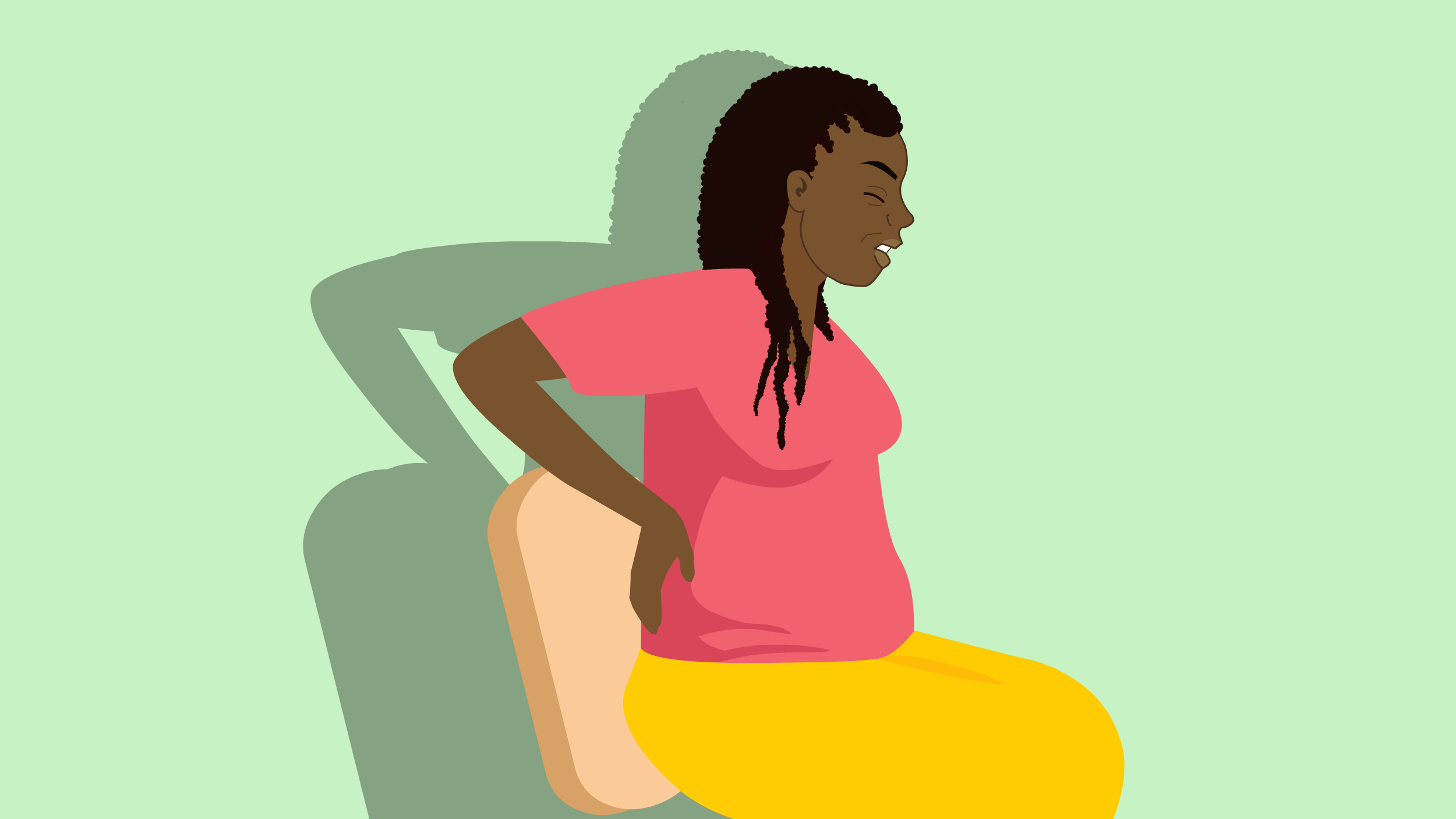
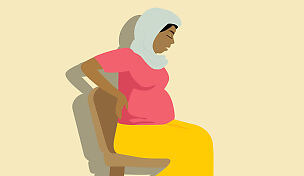
Some women feel pain in their lower back or hips during pregnancy. This happens because the baby is growing, and your body is carrying more weight. The pain can be worse when you walk for a long time or turn over in bed. To feel better, it helps to rest often, but also try to move a little each day. Paracetamol is safe in pregnancy if you need it.
Sleep
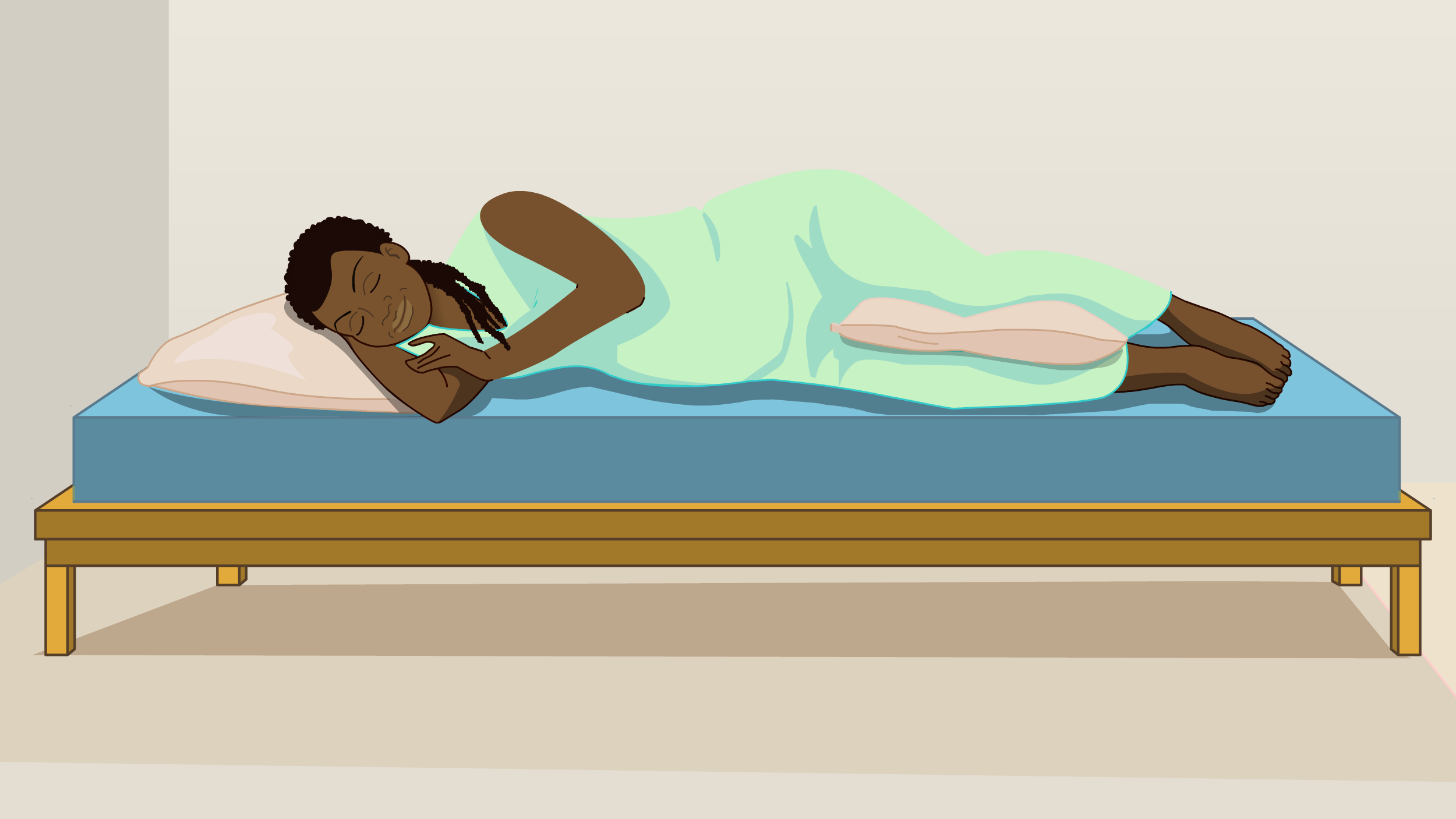
When you sleep, try lying on your side with a pillow between your legs.
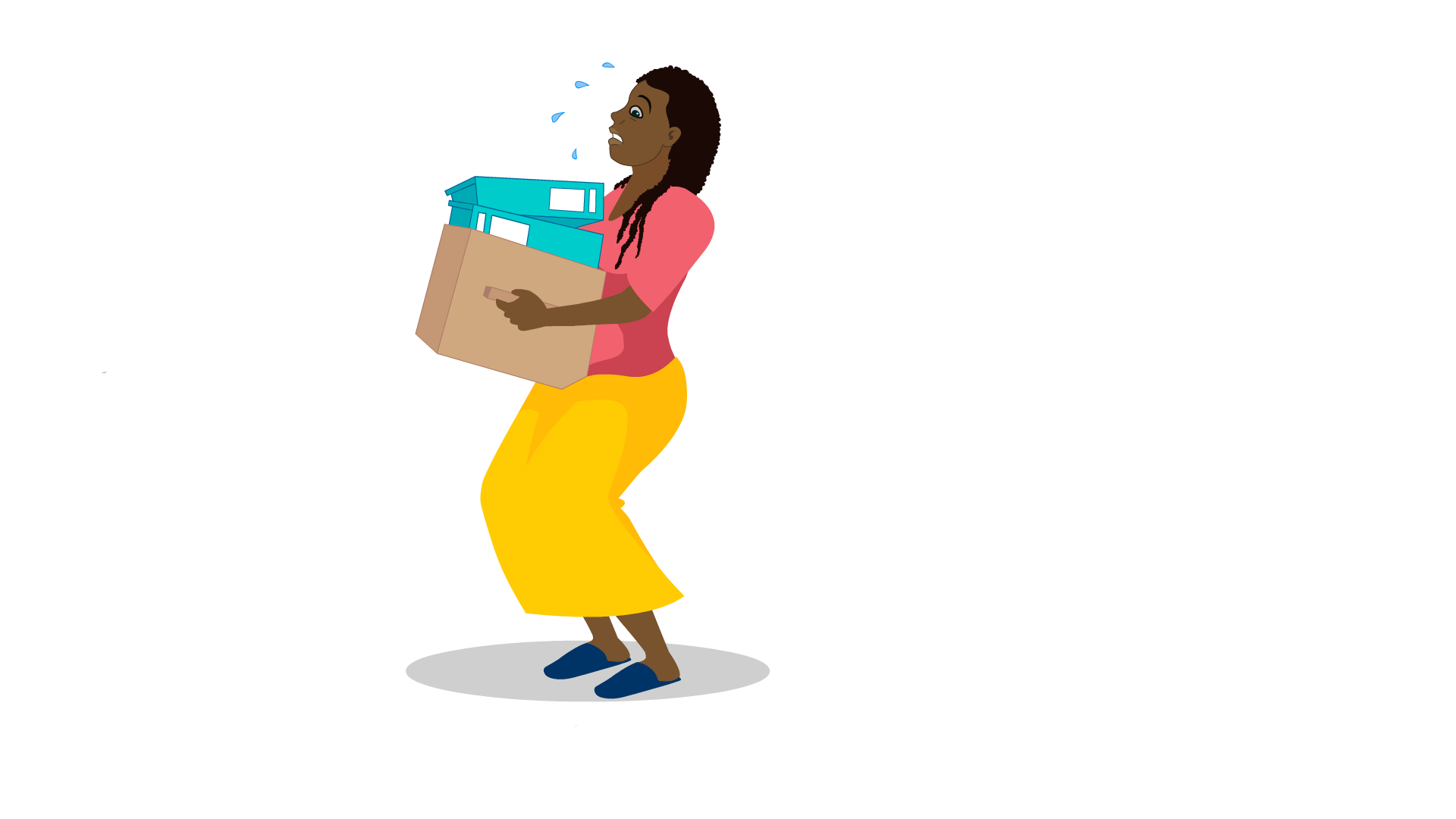
Do not lift heavy things, and try not to do movements that make the pain worse.
If the pain is very strong and does not go away, or if it becomes hard to walk, see a healthcare worker. They may give you medicine or show you exercises to help with the pain.
Swelling
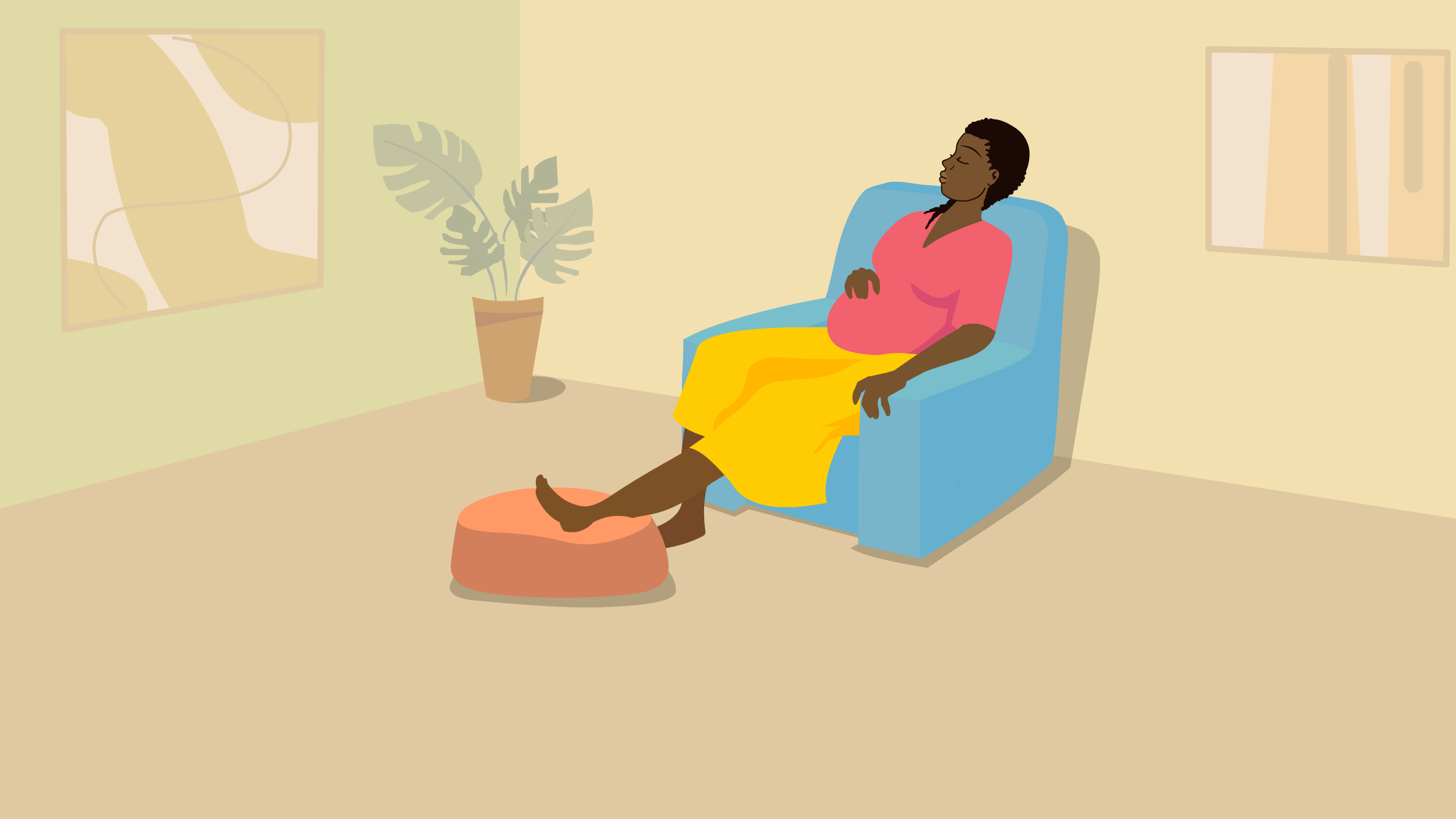
Many pregnant women notice their feet and hands swell. This is because the body holds more water during pregnancy. Swelling is normal, especially at the end of the day or in hot weather. To feel better, you can rest with your feet up, try not to stand for too long, and wear shoes and socks that are not tight.
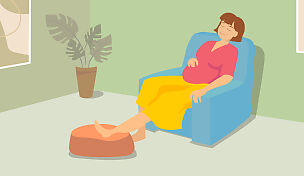
However, new swelling, especially if you have other symptoms such as headache or blurred vision or high blood pressure can be a sign of pre-eclampsia, so see your healthcare worker straight away if this happens.
Constipation
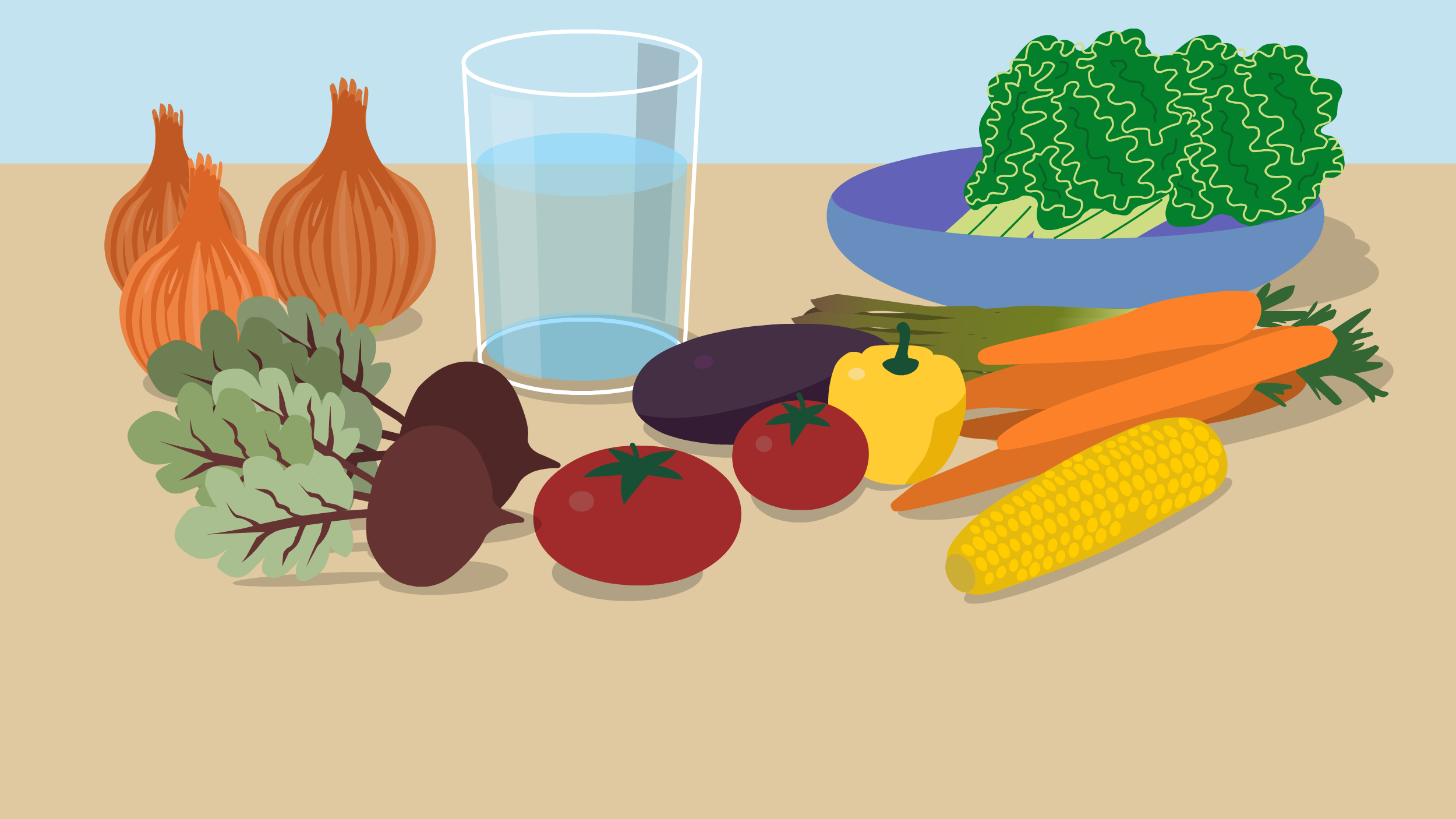
Pregnancy can slow down how your gut works, making it harder to poo. This is called constipation, and it is very common. To help, drink plenty of clean water, eat foods with lots of fiber – like fruit, vegetables, beans and whole grains – and try to move your body a little each day.
Indigestion
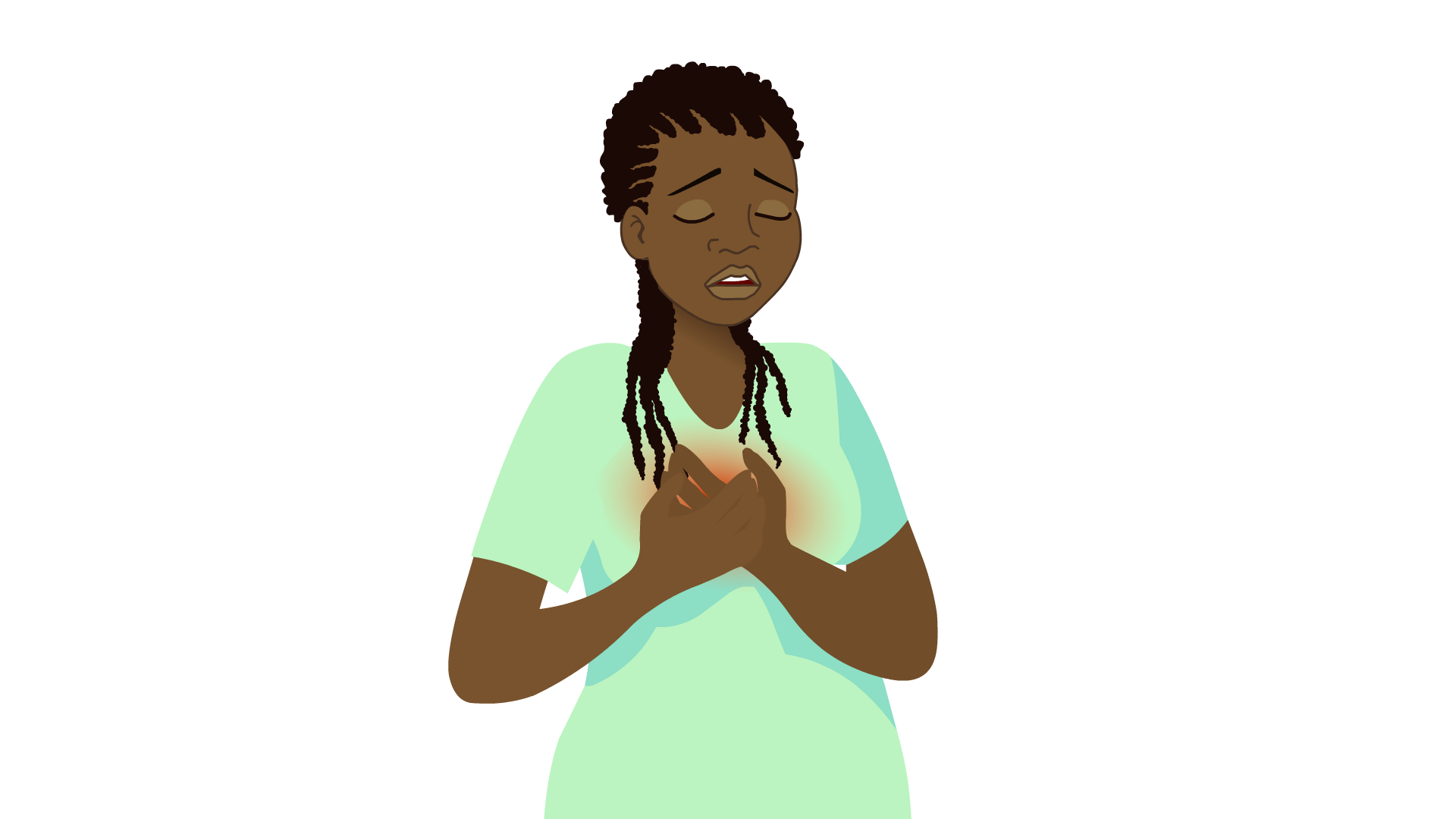
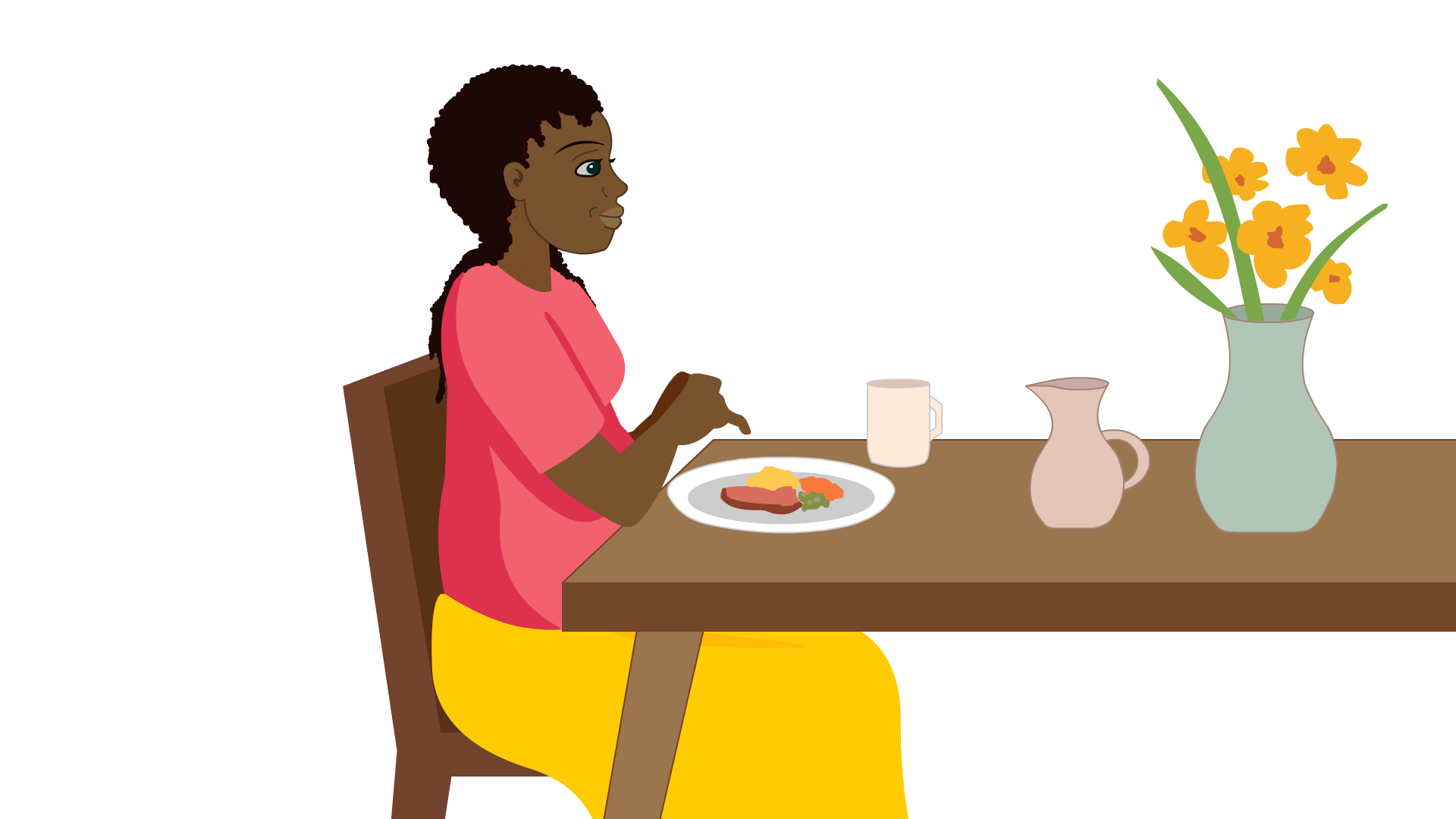
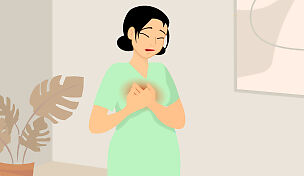
Some women feel a burning pain in their chest after eating. This is called heartburn or indigestion and is common in pregnancy. It can be worse after eating spicy or fatty foods. Try eating small meals, sitting up straight while you eat, and avoiding food right before bed. If it keeps happening or becomes painful, your healthcare worker can give you safe medicine to help.
General advice
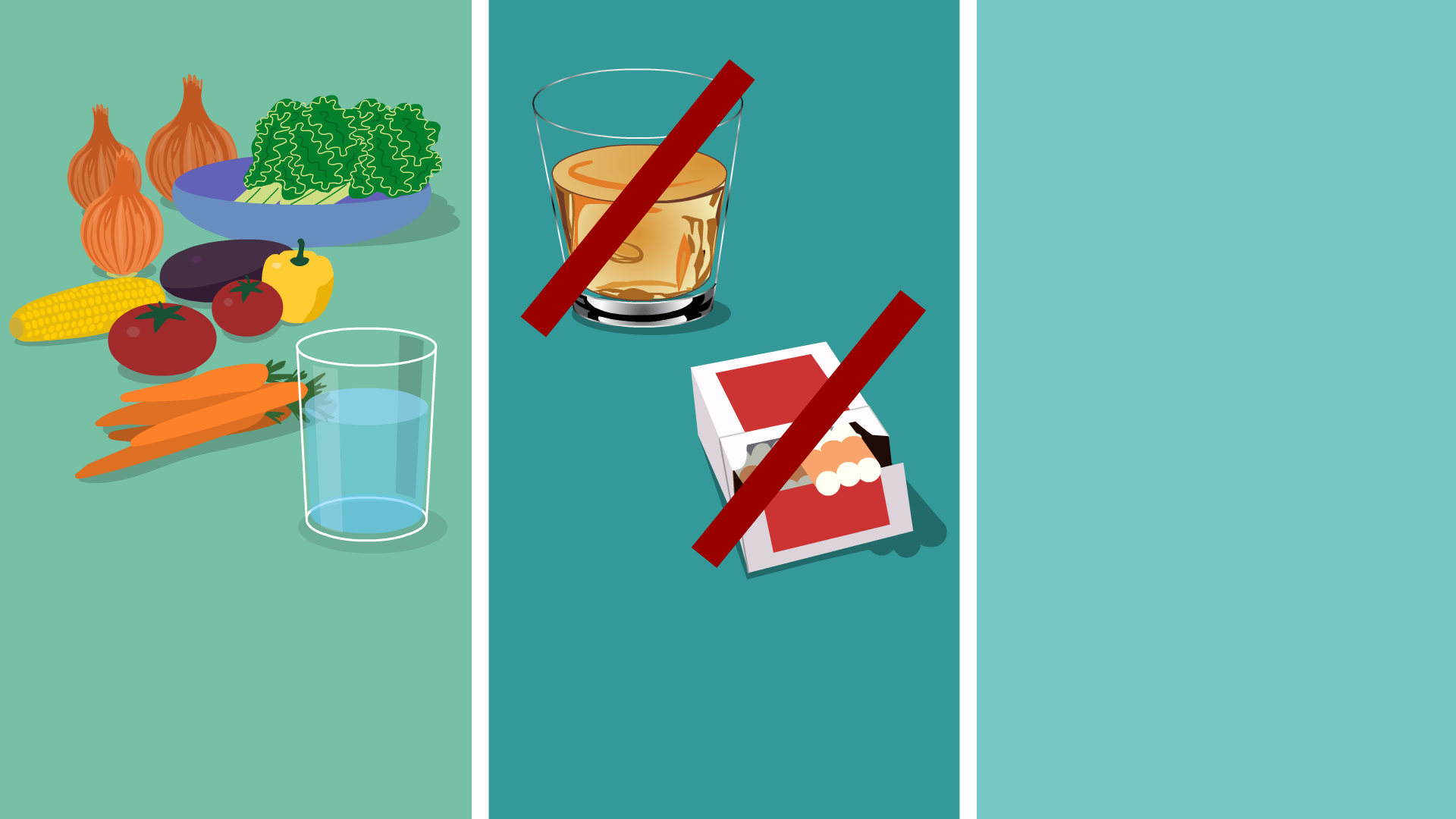
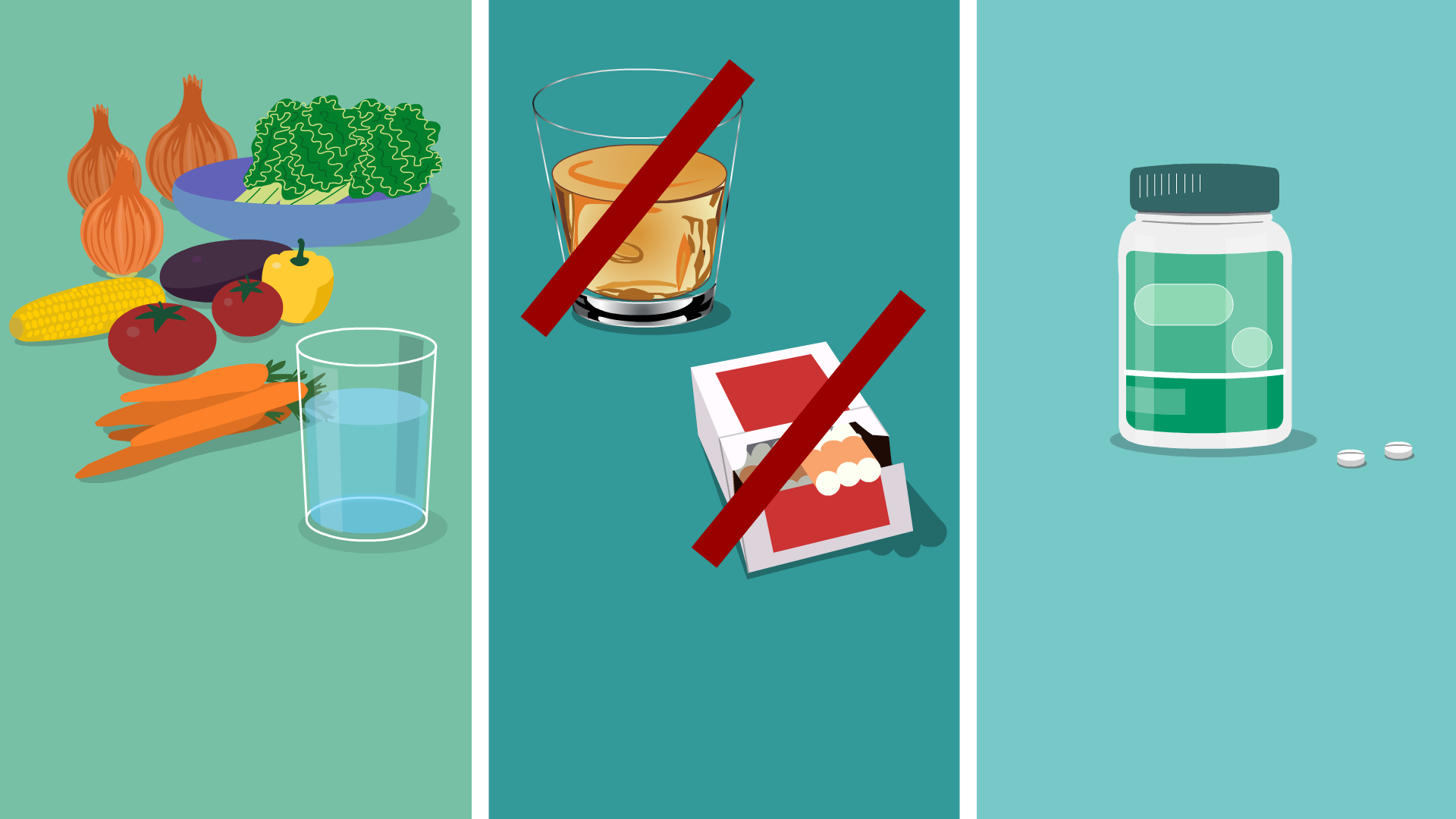
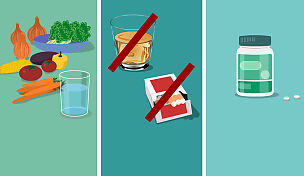
Eat healthy foods like vegetables, fruits, grains and eggs.
Drink plenty of clean water every day and rest when you feel tired.
Do not smoke, avoid alcohol and do not take any medicine unless a healthcare worker says it is safe.
Looking after your body helps your baby grow strong and healthy.
Listen to your body. If something does not feel right, do not wait – ask for help. You can talk to your family, friends or your healthcare worker. Remember, your healthcare worker is there to help you and your baby stay healthy.
The authors of this COMMON PROBLEMS IN PREGNANCY program are:
- Dr Eiri Turner, Liverpool Women's Hospital, Liverpool, UK
- Dr Molly Carroll, Arrowe Park Hospital, Liverpool, UK
The Welfare of Women program has been created under the General Editorship of Dr Kate Lightly, University of Liverpool, UK and is overseen by an expert International Editorial Board
The publishing reference for this program is: DOI 10.3843/GLOWM.w10092
The Welfare of Women information program is an attempt to provide women everywhere with access to reliable information about key health issues that may be relevant to them. Information is offered at three separate levels which women may select according to their preferences; firstly, short video animations with voice commentary, secondly, more detailed text-based descriptions, and thirdly, links to recommended further reading. With the animated videos, women can also select the images that they feel most comfortable in viewing from a short range of very generalized and non-specific ethnicity options. Because of the special programming used, both the videos and the text information can – when authorized – be translated into any language in a simple and rapid manner.
Recommended links for more comprehensive and detailed reading
The following websites provide more comprehensive and extensive information on this topic, which is both reliable and strongly recommended for readers who want to learn more than the details provided above:
World Health Organization (WHO) – Maternal Health
Covers: general maternal health issues, causes of maternal deaths, global guidelines on pregnancy care
https://www.who.int/health-topics/maternal-health?utm_source=chatgpt.com#tab=tab_
UNICEF – Maternal and Newborn Health
Focuses on improving care before, during, and after birth; work in low-income countries; ways to reduce deaths of mothers and babies
https://www.unicef.org/health/maternal-and-newborn-health?utm_source=chatgpt.com
Centers for Disease Control and Prevention (CDC) – Pregnancy Complications
Practical info about warning signs, reducing risk, different complications (like high blood pressure, diabetes, infections)
https://www.cdc.gov/maternal-infant-health/pregnancy-complications/index.html
NHS (UK) – Common Health Problems in Pregnancy
Easy-read guide to typical pregnancy symptoms, what’s normal, what to look out for and when to seek medical help.
https://www.nhs.uk/pregnancy/related-conditions/common-symptoms/common-health-problems
National Institute of Child Health and Human Development (NICHD) – Pregnancy Complications
Details on various pregnancy complications, causes, treatments, and risk factors
https://www.nichd.nih.gov/health/topics/pregnancy/conditioninfo/complications?utm_source=chatgpt.com
Stanford Children's Health
Provides information on common discomforts during pregnancy, such as nausea, vomiting, fatigue, hemorrhoids, and varicose veins, with tips on coping strategies
https://www.stanfordchildrens.org/en/topic/default?id=common-discomforts-during-pregnancy-85-P01207&utm_source=chatgpt.com
Resources the author(s) used in preparing this guidance
WHO Recommendations on Antenatal Care for a Positive Pregnancy Experience
This comprehensive guideline provides evidence-based recommendations to improve the quality of antenatal care, aiming to reduce the risk of stillbirths and pregnancy complications. It emphasizes the importance of addressing common physiological symptoms such as nausea, back pain, and constipation, and offers strategies for their management
https://iris.who.int/bitstream/handle/10665/259947/WHO-RHR-18.02-eng.pdf?utm_source=chatgpt.com
Managing Complications in Pregnancy and Childbirth: A Guide for Midwives and Doctors
This comprehensive manual offers guidance for healthcare providers on managing complications during pregnancy.
https://iris.who.int/bitstream/handle/10665/255760/9789241565493-eng.pdf?utm_source=chatgpt.com
Centers for Disease Control and Prevention (CDC) – Pregnancy Complications
The CDC provides detailed information on various pregnancy complications, such as anemia, anxiety, depression, diabetes, heart conditions, high blood pressure, hyperemesis gravidarum, infections, and weight-related issues
https://www.cdc.gov/maternal-infant-health/pregnancy-complications/index.html?utm_source=chatgpt.com
WHO recommendations on antenatal care for a positive pregnancy experience
https://www.who.int/publications/i/item/9789241549912
RCOG Pelvic girdle pain and pregnancy
https://www.rcog.org.uk/for-the-public/browse-our-patient-information/pelvic-girdle-pain-and-pregnancy
AJGP Pelvic girdle pain in pregnancy
https://www1.racgp.org.au/ajgp/2018/july/pelvic-girdle-pain-in-pregnancy
WHO guideline – Hypertension in pregnancy
https://iris.who.int/bitstream/handle/10665/333816/9789240008793-eng.pdf?sequence=