
Danger signs in newborn babies
An educational
initiative
supported by

Written by experienced doctors, midwives and other medical professionals – and approved by a specialist Editorial Board
Select Avatar


Select Language
We plan to provide other language versions as soon as funding is available
Enhancing the Welfare of Women
Expert Health Information for Women
newborn babies





The authors of this DANGER SIGNS IN NEWBORN BABIES program are:
- Dr Hani Syahida Salim
Family physician, Department of Family Medicine, Universiti Putra Malaysia, Malaysia - Elspeth Currie
Research Administrator, University of Edinburgh, UK - Dr Tracy Jackson
Research Fellow, University of Edinburgh, UK - Dr Parvez Izzudin
Family physician, Family Medicine Clinic, UPM Teaching Hospital, Malaysia
The Welfare of Women program has been created under the General Editorship of Dr Kate Lightly, University of Liverpool, UK and is overseen by an expert International Editorial Board
The cost of producing this resource has been partly funded by an educational grant from GSK
Thank you for watching this Welfare of Women video. We would welcome your views and feedback. Please complete this short questionnaire.
What is a newborn baby?
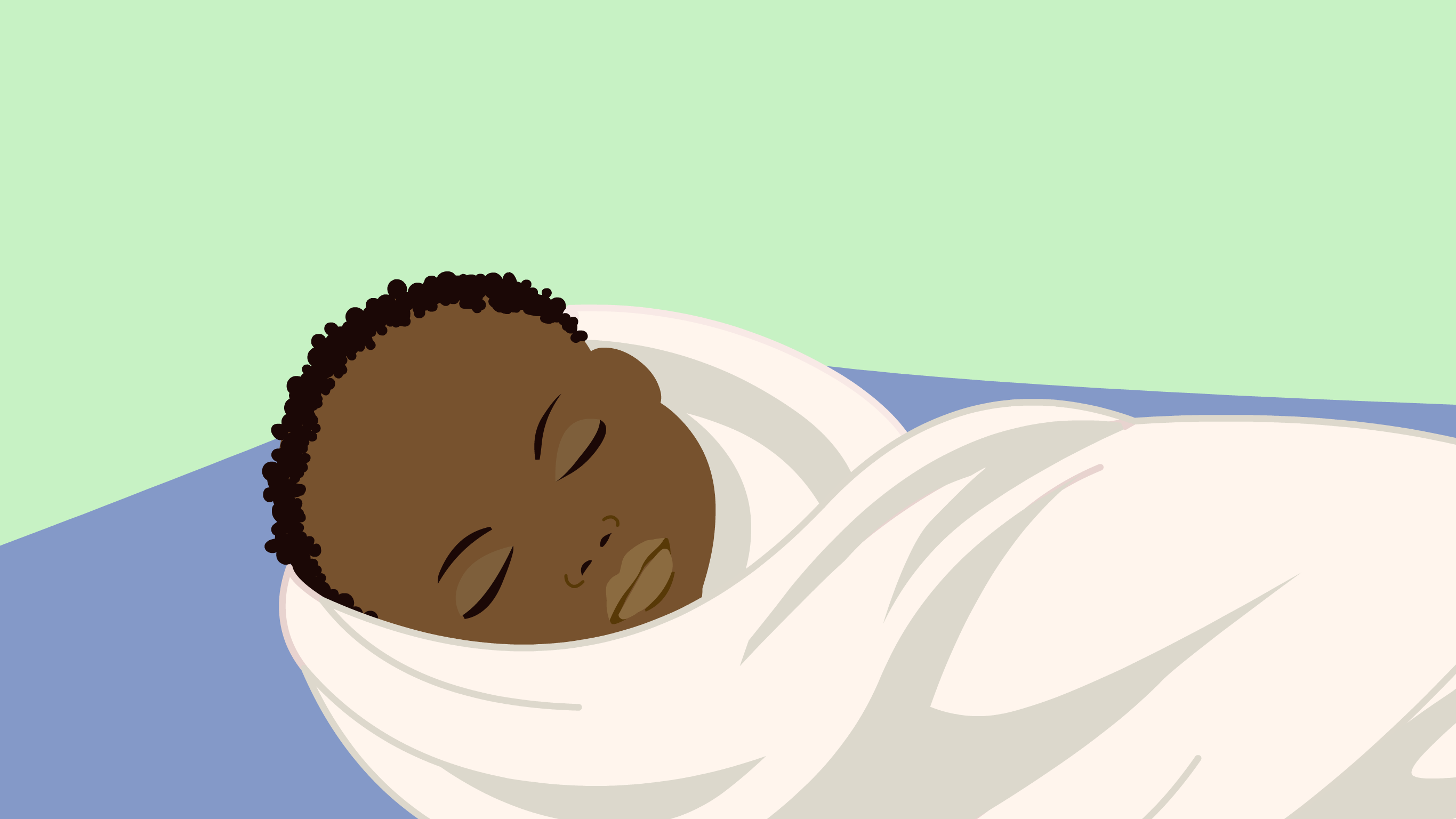
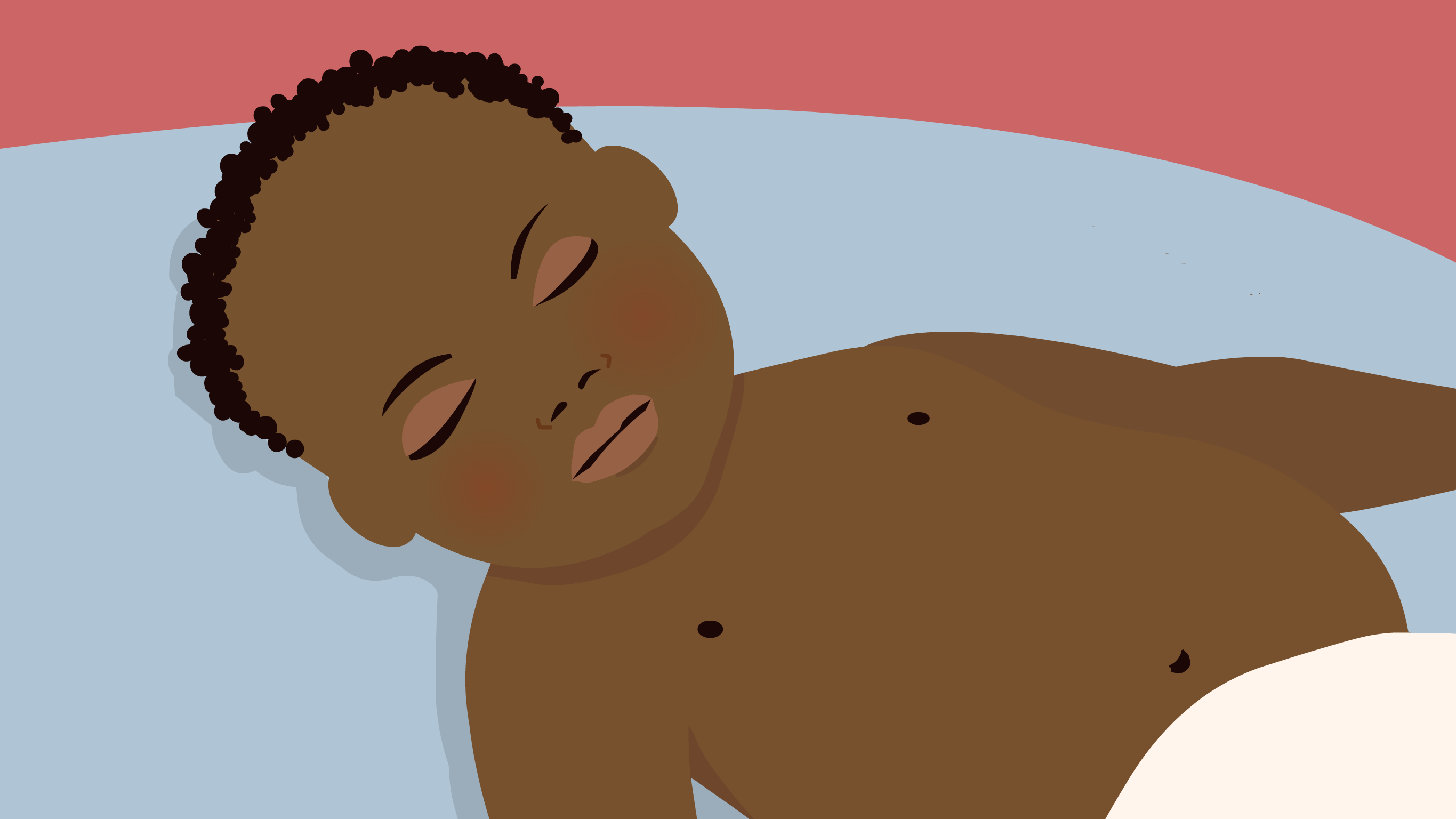
A newborn baby is a baby in the first 28 days of life. This is an important time because babies can become unwell quickly. Parents and carers should know the warning signs that mean a baby needs urgent medical attention.
Why is it important to know the danger signs?
Newborn babies can sometimes get sick very fast. A baby may seem well one moment and then become unwell within hours. Recognizing warning signs early and seeking help quickly can make a big difference.
How can I tell if my baby is usually well?
A healthy newborn usually wakes regularly for feeds, feeds well, moves their arms and legs, and has several wet nappies each day. Many healthy newborns feed about 8–12 times in 24 hours. If your baby is behaving very differently from usual, this can be an early sign of illness.
What general change should worry me most?
Parents often notice first that something is not right. Trust your instincts if your baby is less active, less interested in feeding, unusually sleepy, very irritable or is difficult to settle. These changes may mean your baby needs medical assessment.
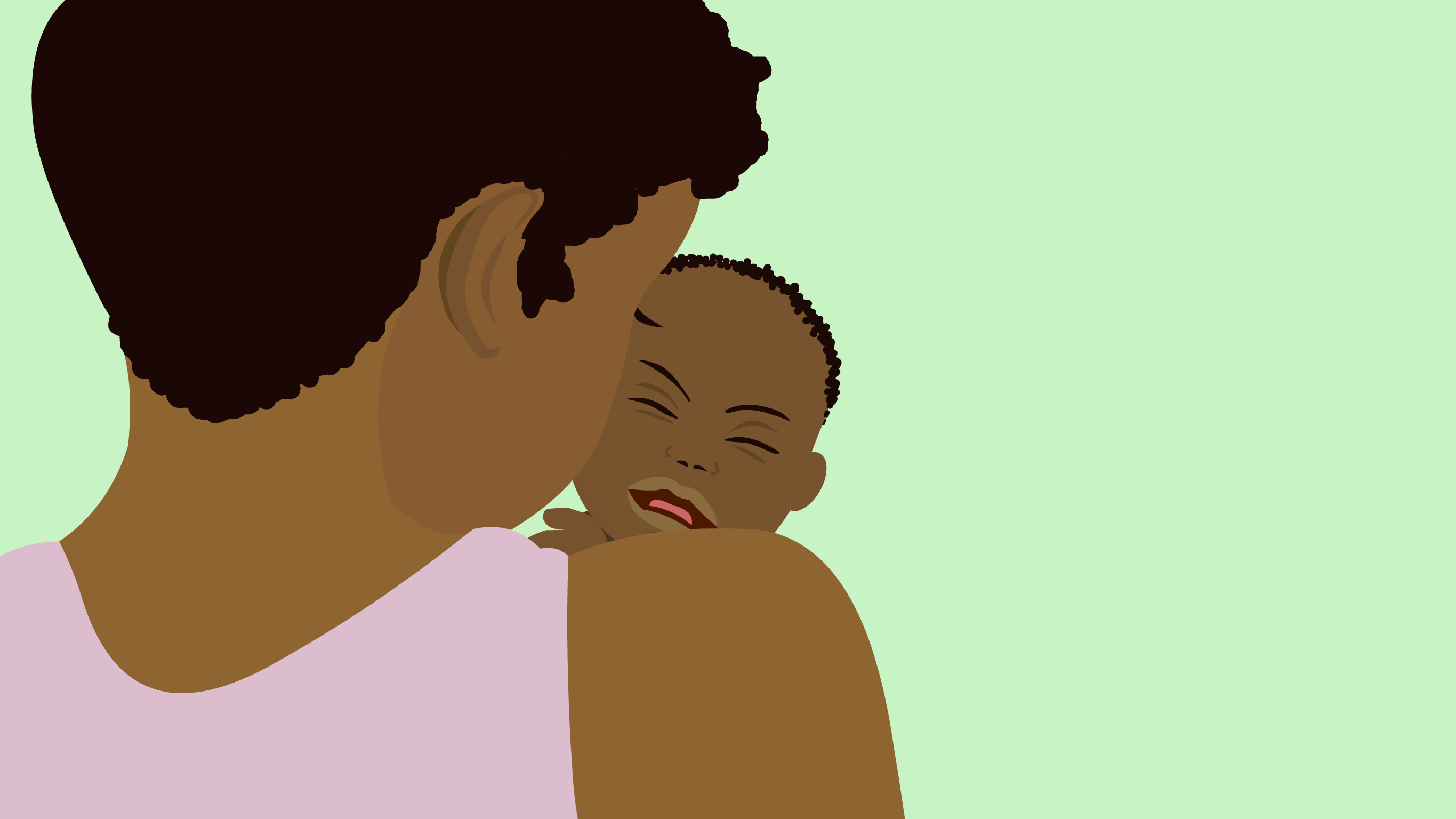
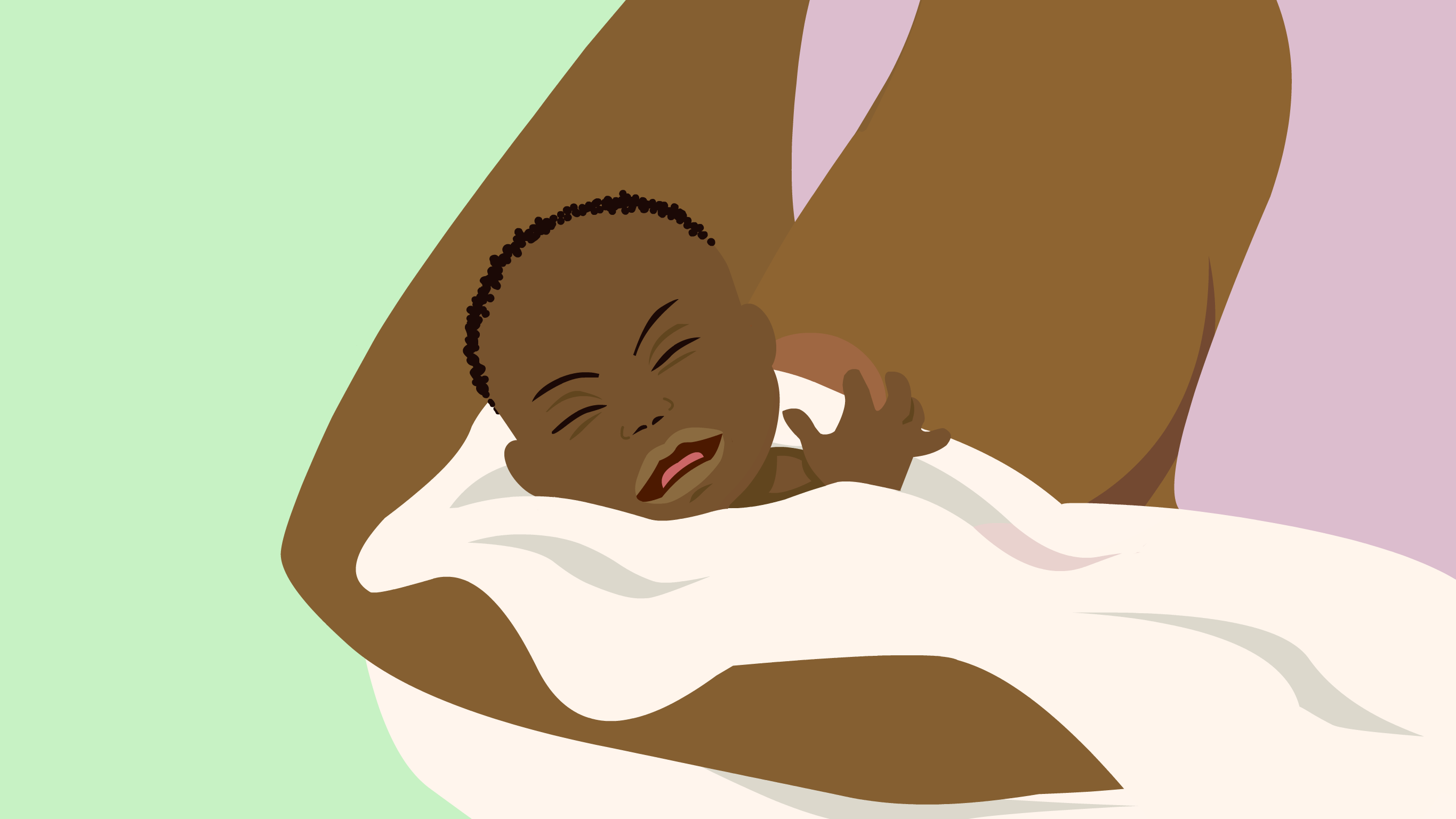
What if my baby cries non-stop?
Seek medical help urgently if your baby is crying continuously, has a weak cry, a very high-pitched cry, or cannot be comforted in the usual ways. Non-stop crying can sometimes be a sign that a newborn is in pain or becoming unwell.
What if my baby is floppy or difficult to wake?
This is an important danger sign. If your baby feels floppy, unusually limp, very sleepy or is hard to wake for feeds, get medical help immediately. A baby who is not responding normally may be seriously unwell.
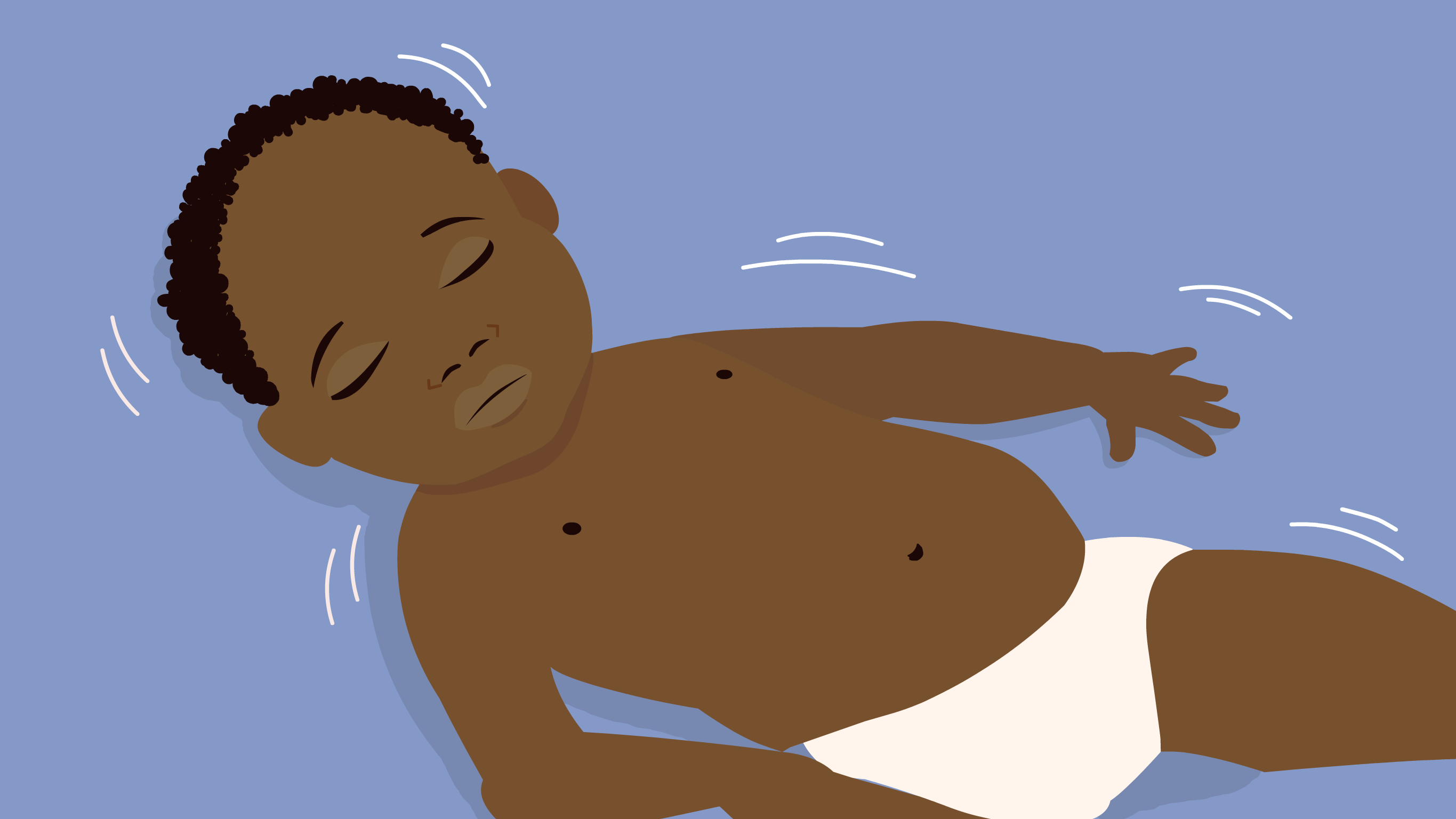
What if my baby is shaking or having seizures?
If your baby has repeated jerking movements, stiffening, unusual shaking or a seizure, this is an emergency. Keep your baby safe and seek urgent medical attention straight away. Do not wait to see if it stops by itself.
What if my baby is not feeding or suckling well?
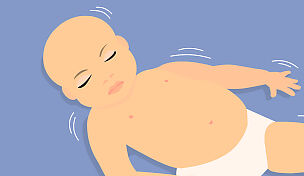
Poor feeding is a key warning sign. Get help urgently if your baby is too weak to suck, refuses feeds, feeds much less than usual, or repeatedly vomits and cannot keep milk down. Poor feeding in a newborn can be a sign of infection or another serious problem.
What if my baby feels too hot or too cold?
A newborn with a fever or an unusually low temperature needs medical review. If your baby feels very hot (more than 38°C) or very cold (less than 35.5°C), check the temperature if possible and seek help quickly. Babies should not be overdressed or overwrapped, but an abnormal temperature should never be ignored.
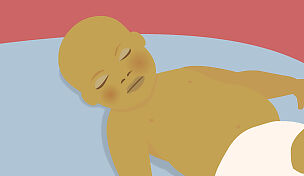
What breathing problems are dangerous?
Get urgent help if your baby is breathing too fast, breathing too slowly, having difficulty breathing, making grunting or noisy sounds, or if the chest seems to pull in during breaths. Fast breathing in a newborn is usually more than 60 breaths in one minute.
What color changes should I look for?
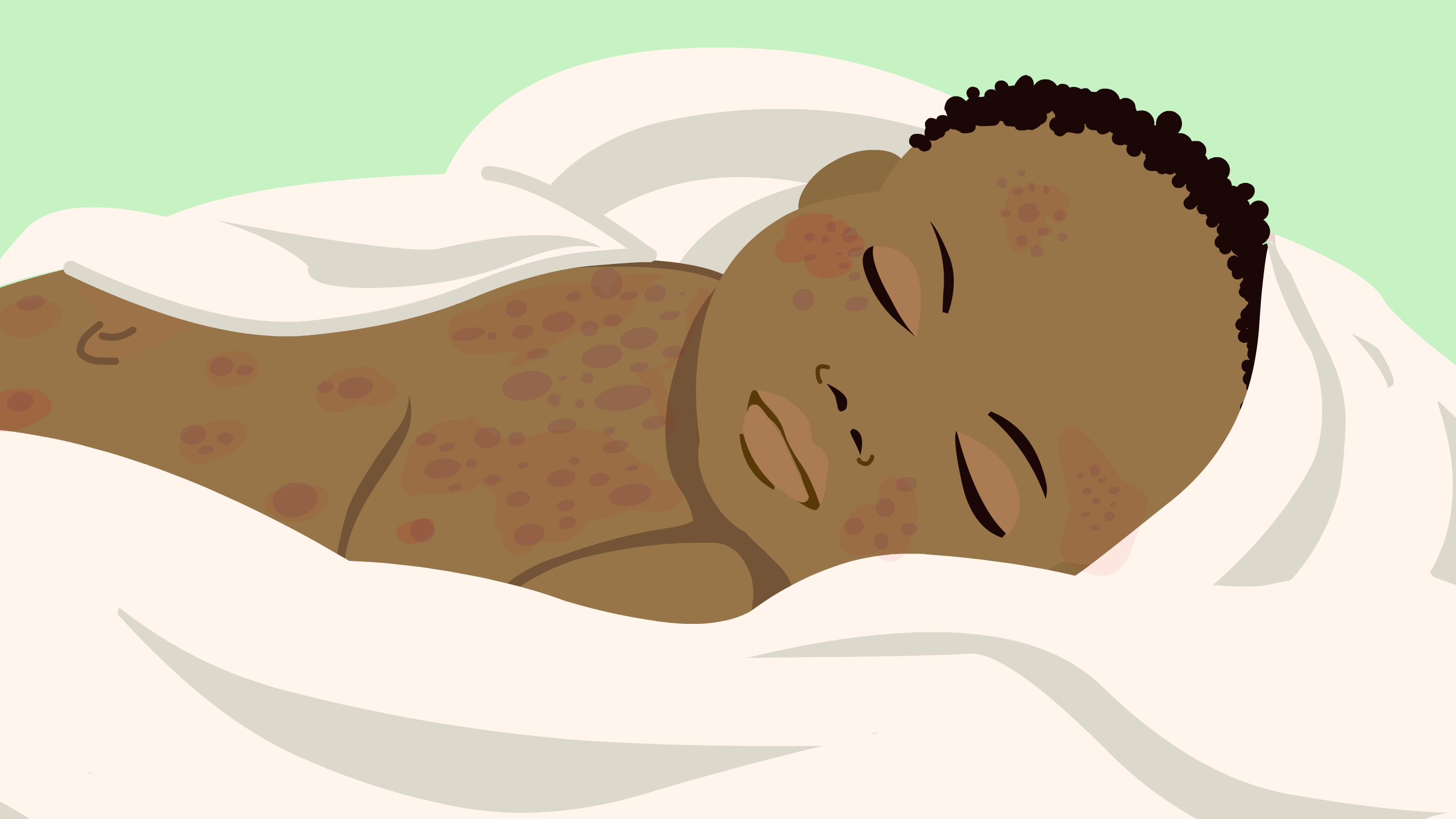
Take your baby for urgent assessment if they look blue, very pale, deeply yellow or develop reddish purple spots or a rash. Blue lips or tongue can mean your baby is not getting enough oxygen. Yellow skin or eyes may mean jaundice and should be checked, especially if your baby is sleepy or feeding poorly.
What signs of infection should I watch for?
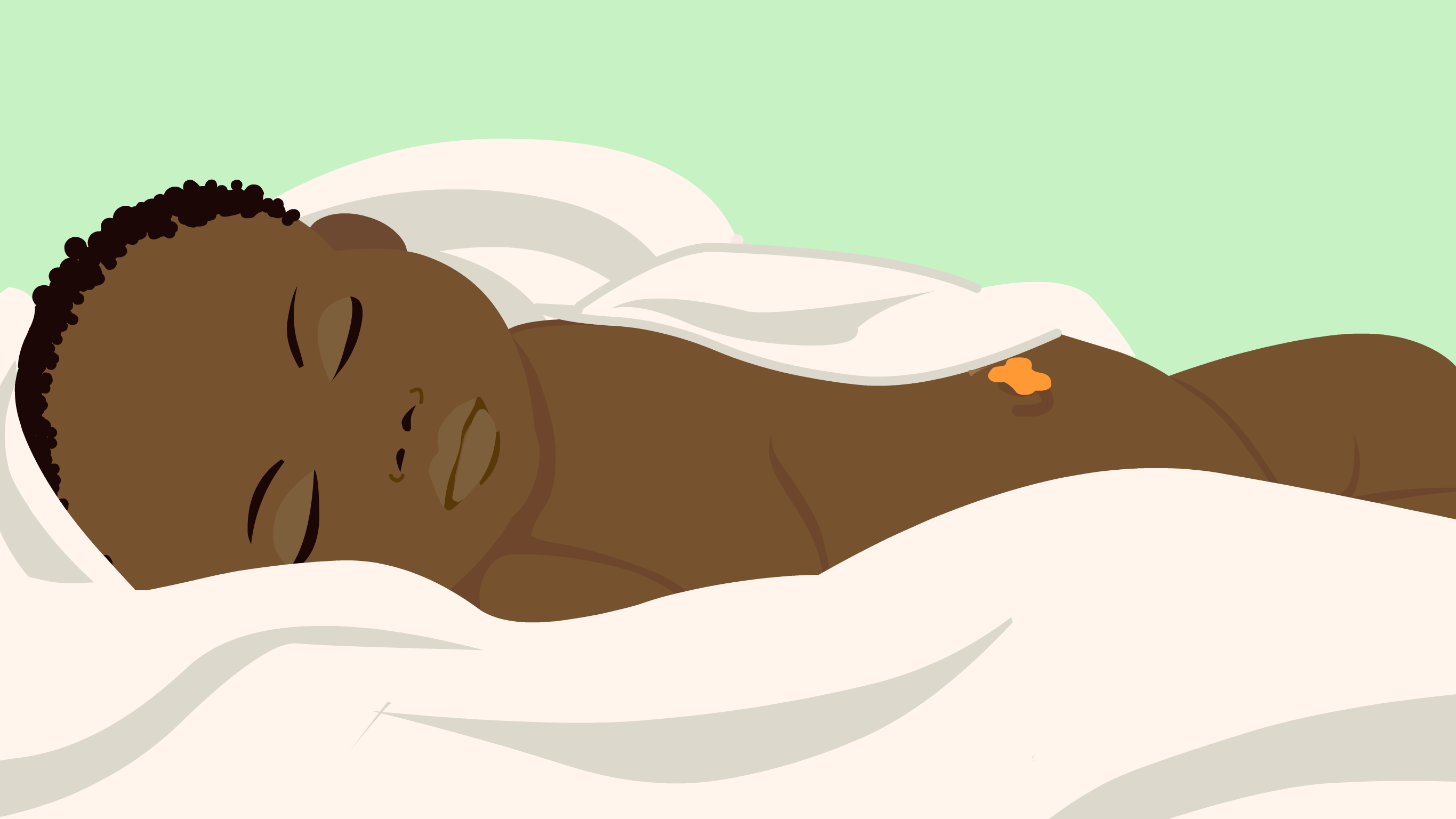
Possible signs of infection include yellow pus coming from the eyes, redness or pus around the belly button, poor feeding, unusual sleepiness, vomiting, diarrhea, breathing difficulty or an abnormal temperature. Newborn infections can become serious quickly, so do not delay getting help.
What if my baby is vomiting or has diarrhea?
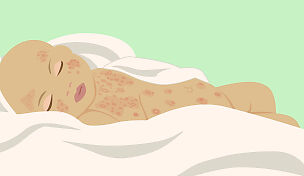
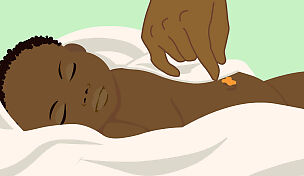
A small amount of milk spit-up can be normal, but repeated vomiting, forceful vomiting, green vomit, or diarrhea can be a warning sign in a newborn. These problems can quickly lead to dehydration and may also be a sign of infection or blockage.
When should I get help?
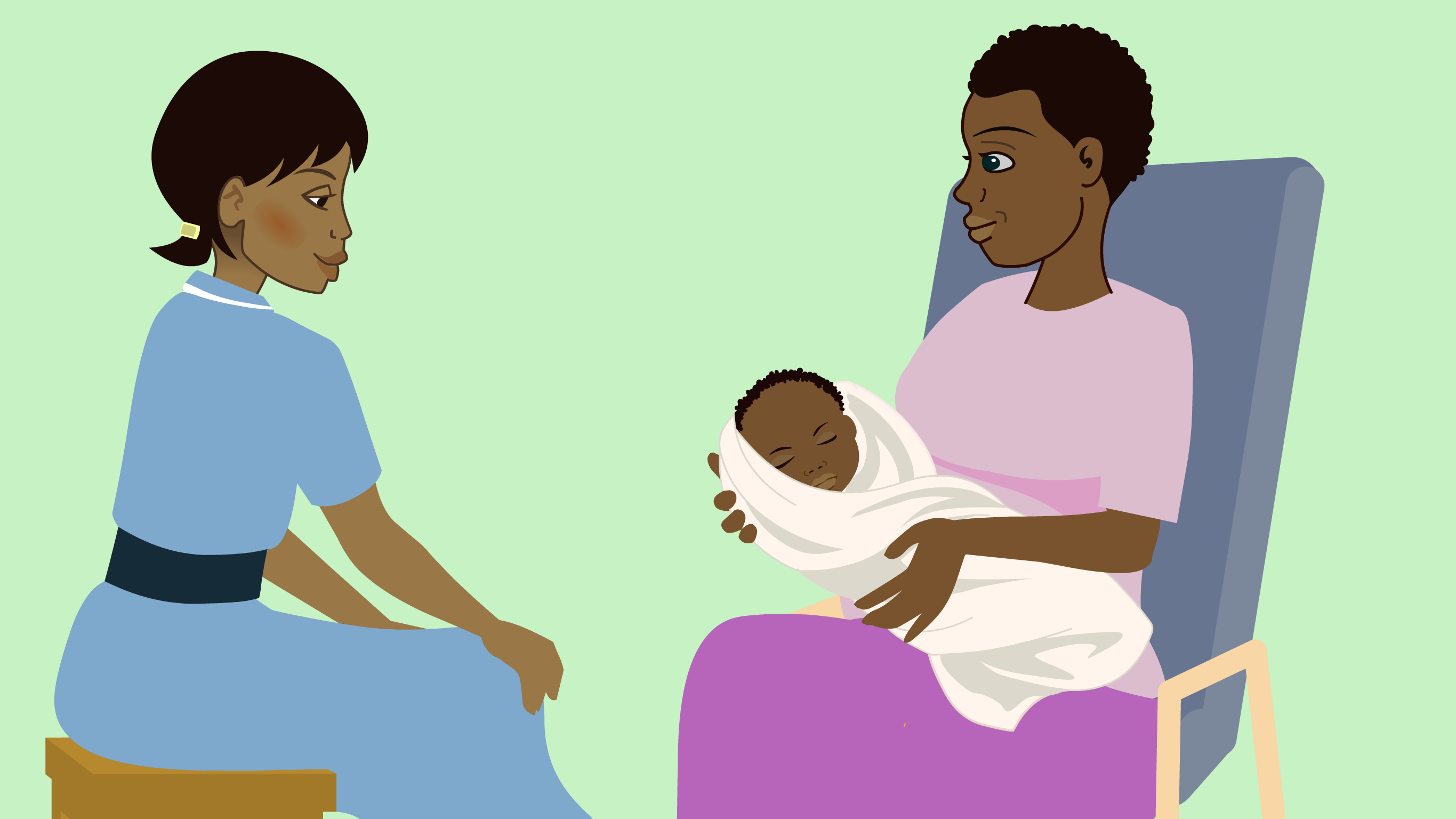
If your baby has any of these danger signs, seek help from a trained healthcare worker as soon as possible. Do not wait until the next day if your baby is very sleepy, floppy, not feeding, struggling to breathe, having seizures, or feels too hot or too cold.
What should I do while getting help?
Keep your baby warm, continue trying to breastfeed if your baby is able to feed, and go to the nearest health facility or contact emergency services if the baby is very unwell. Bring any health records if you have them. Do not rely on home remedies when a newborn has danger signs.
The authors of this DANGER SIGNS IN NEWBORN BABIES program are:
- Dr Hani Syahida Salim, Family physician, Department of Family Medicine, Universiti Putra Malaysia, Malaysia
- Elspeth Currie, Research Administrator, University of Edinburgh, UK
- Dr Tracy Jackson, Research Fellow, University of Edinburgh, UK
- Dr Parvez Izzudin, Family physician, Family Medicine Clinic, UPM Teaching Hospital, Malaysia
The Welfare of Women program has been created under the General Editorship of Dr Kate Lightly, University of Liverpool, UK and is overseen by an expert International Editorial Board
The publishing reference for this program is: DOI 10.3843/GLOWM.w10021
The Welfare of Women information program is an attempt to provide women everywhere with access to reliable information about key health issues that may be relevant to them. Information is offered at three separate levels which women may select according to their preferences; firstly, short video animations with voice commentary, secondly, more detailed text-based descriptions, and thirdly, links to recommended further reading. With the animated videos, women can also select the images that they feel most comfortable in viewing from a short range of very generalized and non-specific ethnicity options. Because of the special programming used, both the videos and the text information can – when authorized – be translated into any language in a simple and rapid manner.
Recommended links for more comprehensive and detailed reading
The following websites provide more comprehensive and extensive information on this topic, which is both reliable and strongly recommended for readers who want to learn more than the details provided above:
Newborn health warning signs – UNICEF Parenting:
https://www.unicef.org/parenting/health/newborn-warning-signs
Essential Newborn Care – World Health Organization:
https://www.who.int/teams/maternal-newborn-child-adolescent-health-and-ageing/newborn-health/essential-newborn-care
Danger signs for newborns – UNICEF:
https://www.unicef.org/timorleste/media/1601/file/Wall%20Hanging%204%20%28English%29%20Print.pdf
Symptoms of newborn jaundice – NHS:
https://www.nhs.uk/conditions/jaundice-newborn/symptoms/
Resources the author(s) used in preparing this guidance
UNICEF Parenting – Newborn baby health:
https://www.unicef.org/parenting/health/newborn-baby-health
Great Ormond Street Hospital – Neonatal jaundice:
https://www.gosh.nhs.uk/conditions-and-treatments/conditions-we-treat/neonatal-jaundice/
Alder Hey Children’s Hospital – Jaundice in newborn babies:
https://www.alderhey.nhs.uk/conditions/patient-information-leaflets/jaundice-in-newborn-babies/
World Health Organization – Newborn mortality:
https://www.who.int/news-room/fact-sheets/detail/newborn-mortality
World Health Organization – Newborn health:
https://www.who.int/health-topics/newborn-health#tab=tab_1\
Somerset NHS Foundation Trust – Signs of an unwell baby:
https://www.somersetft.nhs.uk/maternity-new/maternity/after-your-babys-birth/for-baby/signs-and-symptoms-of-an-unwell-baby/
Awasthi S, Verma T, Agarwal M. Danger signs of neonatal illnesses: perceptions of caregivers and health workers in northern India. Bull World Health Organ. 2006 Oct;84(10):819–826. doi: 10.2471/blt.05.029207:
https://iris.who.int/server/api/core/bitstreams/a08b78ee-f74a-4e3b-911e-7085572ffdd9/content